From High Meadows to Salt-Sprayed Stalls

Today we explore Artisan Foodways from Alpine Pastures to Adriatic Markets, tracing seasonal journeys of cheese, cured meats, olives, herbs, and fish. Meet herders, millers, and fishmongers; follow mule tracks to bustling quays; taste stories shaped by wind, altitude, and tides. Share your memories, ask questions, and subscribe to continue traveling these flavorful paths together.

Origins in the High Country

At sunrise, pastures ring with bells and the slow rhythm of herds climbing toward summer grass. Families pack their huts with copper cauldrons, cultures, and patience, turning raw milk into wheels that taste of thyme, gentian, and stone. Roads appear as threads under hooves, linking huts to villages where barter, gossip, and butter pass hand to hand. Ask about your grandparent’s mountain cheeses below; their stories enrich this journey.

Roads and Currents that Carried Flavor

Between peak and port, food travels by stubborn ingenuity. Muleteers choose shaded tracks, rafts hug gorge walls, and wagons wait as snowmelt calms torrents. Salt heads inland while cheese and smoked meats descend, exchanging blessings across languages. Venetian ledgers remember these bargains; so do kitchen notebooks stained with brine, fat, and pencil.

Life Inside Adriatic Markets

Under striped awnings, the coast wakes early. Fish eyes glisten like beads; tomatoes breathe warmth from stone; pršut ribbons fold beside young sheep cheese. Voices bounce between dialects and jokes, a living dictionary of survival and pleasure. Step closer, taste freely, and tell us what pairing surprised you most today.

Copper, Wooden Ladders, and Clean Cloth

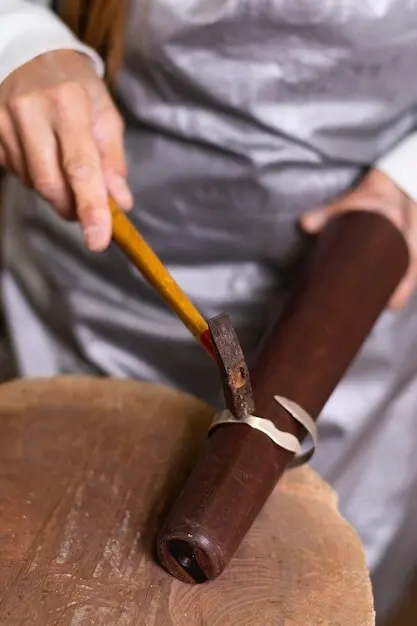
Inside huts, a wooden ladder becomes shelf, counter, and storybook. Curds lift with slotted spoons browned by decades of whey. Clean cloth makes a cradle where whey sighs away. Nothing is disposable; every nick instructs, every knot warns, and the result tastes like attention rather than novelty.

Smoke, Wind, and Mountain Rooms

In South Tyrol and the Karst, meat hangs where air speaks clearly. The bura polishes pršut; mountain drafts etch speck; juniper needles contribute a shy forest echo. Salting is measured in days and fingertips, not apps, and patience writes the gloss that convinces knives to pause respectfully.

A Calendar Written in Taste

Summer Rounds and Alpine Thunder

High pastures answer storms by concentrating sweetness in grass. Milk thickens; wheels gain resilience and color like polished straw. During an afternoon crackle of lightning, curds cut cleaner, or so elders insist, and later, on a city bench, that wheel tells the weather to anyone willing to listen.
Autumn Fairs, Grape Must, and Long Evenings

Fairs return when grapes perfume lanes. Must marinates sardines into tender confessions; chestnuts smoke behind stalls; children count coins for fritters. Herders drift downward with stories and slightly lighter packs, swapping wheels for salt, thread, and spices whose names arrived centuries ago by sail and ledger.

Winter Comforts that Bind Coast and Peaks

Cold months ask the table to hold people longer. Polenta teams with braised greens and a stripe of melted alpine cheese; bakalar steams beside chicory; citrus peels candy near the stove. Markets slow, jokes lengthen, and recipes become postcards sent between villages until light returns earlier.

Voices Along the Way

Foodways live in voices that refuse to retire. Listen for mentorship wrapped in teasing, for grief carried by recipes, for desire disguised as hospitality. These people stitch mountains to sea with errands, favors, and flavors. Join the conversation below and share the hands that taught you to taste.
On a Val di Funes slope, Matteo times curd cutting by a raven’s call that always crosses at eleven. He laughs about it, yet his knife obeys. Once, a storm trapped him three days; neighbors traded stories and salt through shutter cracks, proving cheese ages best beside friendship.
In Zadar, Jelena reads tides by moonshine on tarred ropes. She sells sardines still winking and asks what you will cook, then suggests a squeeze of new oil and grated aged wheel. Her grandmother hid nets from soldiers; Jelena hides extra lemons for shy students.
In Trieste, Maja weighs speck and listens more than most therapists. She remembers who prefers softer rinds, who wants a heel for soup, who celebrates exams today. When tourists hesitate, she offers a thin slice and a story, insisting taste is a language that abolishes borders.
Livorinoxarizori
Privacy Overview

This website uses cookies so that we can provide you with the best user experience possible. Cookie information is stored in your browser and performs functions such as recognising you when you return to our website and helping our team to understand which sections of the website you find most interesting and useful.