From Peaks to Coastlines: Crafting Interiors with Larch, Clay, and Seagrass
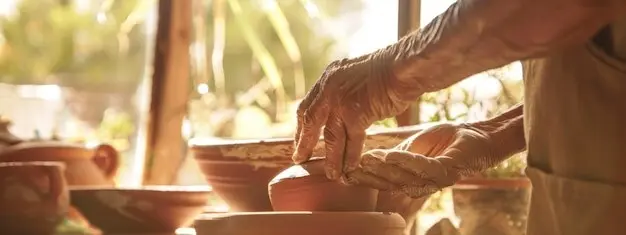
Today we explore designing with local materials from the Alps to the Adriatic, spotlighting larch, clay, and seagrass in contemporary interiors. Expect tactile warmth, regional craftsmanship, and practical insights shaped by mountains, valleys, and lagoons. Join us to discover how heritage resources become modern comfort, character, and calm, while inviting you to share questions, experiences, and your own material choices with fellow readers.

Roots in the Landscape

Understanding where materials come from changes how we build and live. Along the arc from alpine forests to Adriatic shores, larch, clay, and seagrass hold distinct, place-born qualities. Their geology, ecology, and traditional uses inform resilient, low-impact interiors that breathe, age gracefully, and feel meaningfully anchored. Explore provenance not as ornament, but as a compass guiding responsible sourcing, craft collaboration, and designs that respect seasonal rhythms and local livelihoods.

Making Methods for Modern Life

Craft does not mean nostalgia; it means control, repairability, and comfort. Techniques adapted to larch, clay, and seagrass evolve with better tools and healthier finishes. The result is a contemporary language where joints celebrate structure, plasters breathe with seasons, and woven surfaces modulate sound. These practices reward curiosity and collaboration, inviting homeowners to witness mockups, learn finishes, and embrace an interior that is made, not merely assembled.

Joinery and Finishing for Larch

Designers favor clean, expressed joinery—slotted battens, hidden splines, and removable plugs—that simplify maintenance while respecting movement across seasons. Instead of heavy varnishes, plant-based oils underline grain and enable spot repairs. In high-wear zones, pre-charred larch softens scuffs and creates visual depth. A Carinthian carpenter notes that accurate moisture content and generous expansion gaps are the difference between a millimeter-perfect panel today and a creak-free wall next winter.

Clay Plasters, Tiles, and Hybrid Layers

Earthen plasters applied over mineral substrates regulate indoor humidity and absorb minor thermal swings. Pigments mixed into the body, not merely painted on, yield depth that resists superficial scratches. For splash zones, designers combine clay with limewash transitions or use fired clay tiles where direct water occurs. A Ljubljana team demonstrates quick-repair patches: mist, re-trowel, and blend—no dust clouds, no solvents, and a finish that grows smoother with attentive touch.

Weaving with Seagrass for Surfaces and Panels

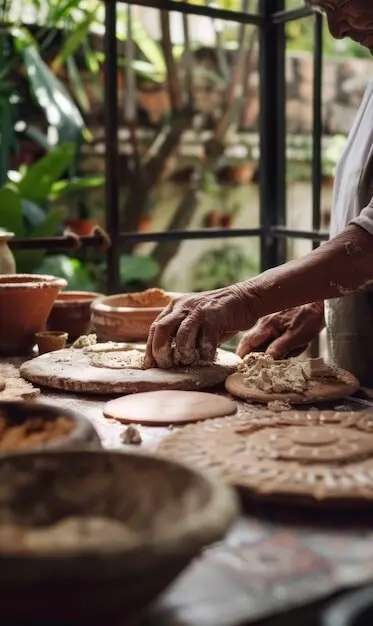
Seagrass comes as tight herringbones, open braids, and thick cords, each offering distinct grip, airflow, and light absorption. Coastal weavers stitch panels to breathable substrates, then frame them with larch to resist edge fray. In bedrooms, headboards gain a quiet spring; in living rooms, wall panels soften bright chatter without heavy absorbers. Maintenance remains simple: a gentle brush, occasional vacuuming, and scheduled daylight rotation to balance mellowing tones.

Hygrothermal Harmony with Clay Surfaces

Clay’s capillary action buffers short spikes in indoor moisture, easing the load on ventilation and reducing condensation on cold surfaces. Kitchens feel fresher after simmering pots, bathrooms clear faster without blasting fans, and bedrooms avoid nighttime dryness. Paired with sensible insulation and trickle ventilation, clay helps keep dew points in check. The net effect is understated: a room that simply breathes, even as weather shifts outside.

Durability and Tactility of Larch

Larch heartwood contains resins and tannins that naturally resist wear and incidental moisture. On stair treads and handrails, it gains a satin touch rather than a slippery gloss. Seasonal checks can be minimized with stable substructures and acclimatization. An Austrian maker reports decade-old panels that only needed a light re-oiling to look renewed. Durability here does not mean plastic hardness; it means graceful aging you can restore with simple care.

Acoustic Calm with Seagrass Textures

Open-plan living often suffers from reverberation that blurs conversation. Woven seagrass, with its micro-cavities and irregular surface, scatters reflections while allowing walls to stay visually light. Under dining chairs it softens clatter; behind sofas it tempers echoes without heavy drapery. Combined with clay’s absorptive roughness and larch’s diffusive grain, this trio builds layered, civilized sound—where voices separate, music breathes, and late-night talks do not wake the hallway.

A Palette of Earth and Water
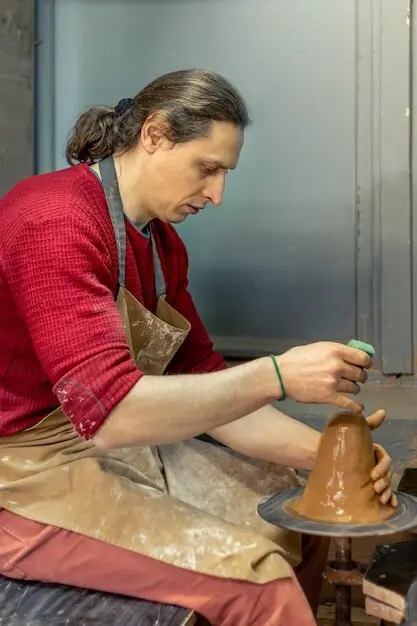
Color comes alive when it belongs to matter, not only paint. Larch moves from pink-amber to burnished gold, then silvery-grey in high light. Clay shifts through ochre, silt, and mineral blue-greys with subtle mica gleam. Seagrass settles into olive and straw notes that anchor brighter textiles. Together, they offer quiet drama—tones that change with sun, moon, and candlelight—inviting designers to compose calm without sterility.

Tone and Grain as Storytellers

Material color is narrative. Quarter-sawn larch reveals tight, linear figure that elongates low ceilings, while flat-sawn boards introduce friendly arcs that warm cool rooms. Clay plasters mottled with fine aggregates deliver clouded depth without faux finishes. Seagrass adds grounding green-brown undertones that make whites feel clean rather than stark. This palette welcomes patina and variation, creating harmony through hues you can trace back to sun, soil, and salt.

Light, Shadow, and the Lively Surface

Oblique alpine light rakes across larch panels to draw grain into relief, while lagoon glare softens against clay’s velvety tooth. Seagrass catches tiny halos around each fiber, breaking up harsh highlights. Designers stage these interactions with thoughtful window dressing, matte oils, and plaster textures that temper specular bounce. The result is luminous, not glossy—light that flatters skin, artwork, and evening meals without demanding blackout tricks during daytime.

Patina, Repair, and the Long View

Good interiors plan for aging as a virtue. Larch accepts re-oiling, light sanding, or selective board flips. Clay surfaces mend with a damp sponge and fresh trowel pass, blending scars into depth. Seagrass darkens near windows and lightens under rugs, a map of living easily evened with gentle rotation. When materials welcome care, owners become stewards, not consumers—an attitude that protects budgets, memories, and the planet all at once.

Stories from Ridge to Lagoon

Place becomes personal through lived projects. In small homes and studios, larch, clay, and seagrass solve everyday frictions—drafts, echoes, glare—while gifting character. These vignettes trace collaborations among foresters, sawyers, plasterers, and weavers, showing how modest budgets and patient sequencing outperform flashy, brittle finishes. You will find experiments, course-corrections, and cheerful compromises that shape interiors meant for decades of use, not a season of photographs.

Your Turn: From Idea to Install

Starting well means learning materials through samples, mockups, and candid talk with craftspeople. Commit to responsible sourcing, breathable assemblies, and finishes you can renew. Invite time for acclimatization and test panels under real light. Document junctions clearly; celebrate screws you can actually reach. Share your progress with our community, ask detailed questions, and subscribe for field-tested specs, supplier spotlights, and workshops that turn curiosity into rooms ready for unhurried living.
Livorinoxarizori
Privacy Overview

This website uses cookies so that we can provide you with the best user experience possible. Cookie information is stored in your browser and performs functions such as recognising you when you return to our website and helping our team to understand which sections of the website you find most interesting and useful.